

Graduate Student Success Stories
2026 Student Success Features
The Graduate School knows that being successful in your graduate education does not happen in a silo. A student's journey is complicated, and support can be found around every corner. Please read a few stories of Montana State University's graduate students and how they learned to succeed and grow through their programs. Some offer advice for future students that may resonate with you; their inspirations can easily be passed on to other students.
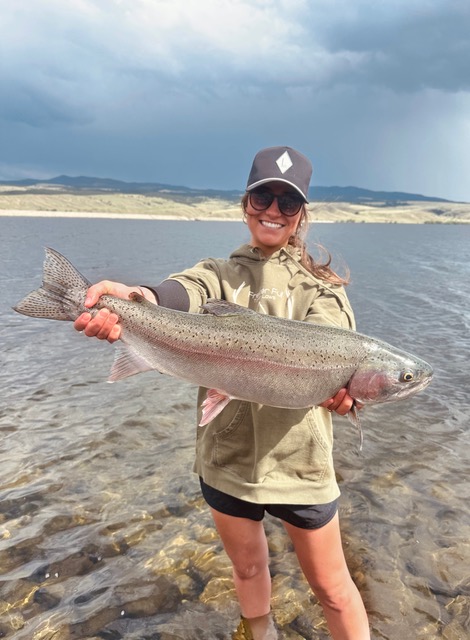 |
Eden MorinMaster's in Counseling |
|
|
"When Eden entered her graduate program, she discovered that "Graduate school has shown me that counseling is a lifelong learning process. Working with Dr. Franklin on developing a mental health co-op for teachers has opened my eyes to the realities rural schools face. Our work is helping us explore how to bring meaningful mental health resources directly to educators, especially in communities that often lack support. That hands-on experience has shaped the kind of counselor I want to become." |
||
|
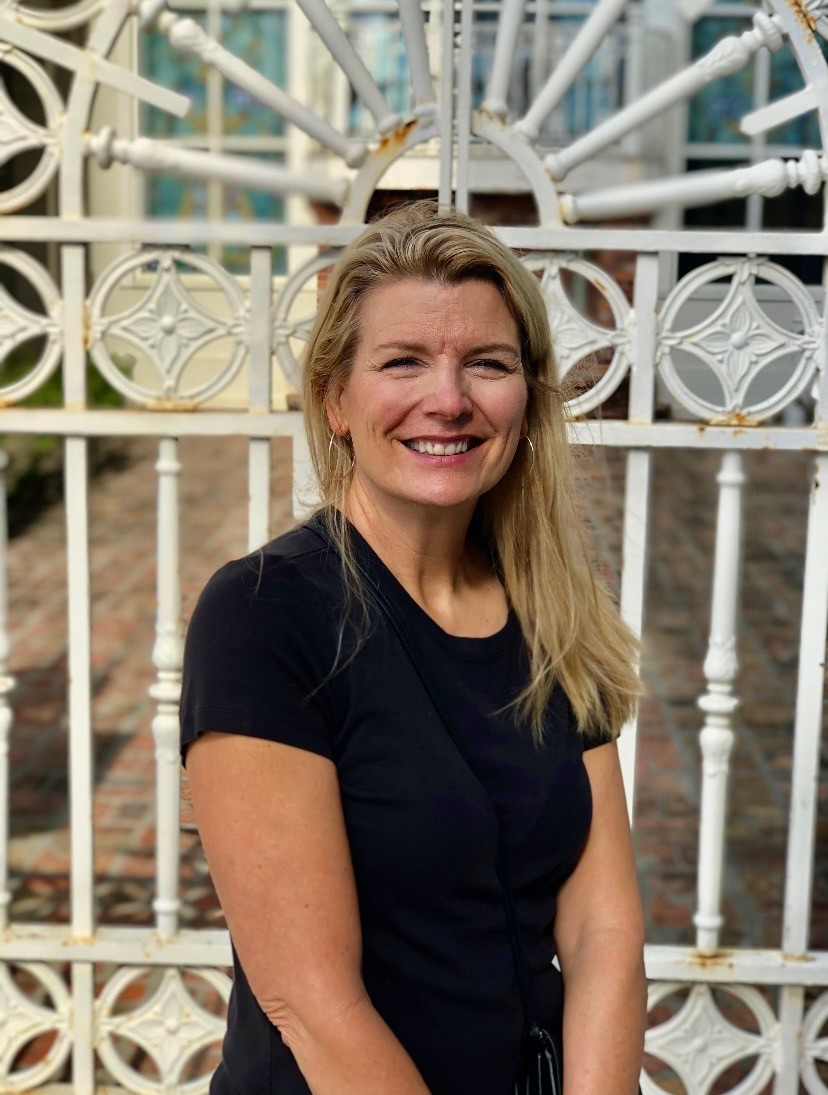
Lisa Wright LamkinsMaster's in Native American Studies |
|
|
"I didn't expect to fall in love with MSU, the Department.... the people completely changed my path!" Lisa is a non-traditional student who came to MSU and found a home. "Returning to graduate school has been incredibly meaningful. Studying Native American Studies has opened my eyes to the depth, diversity, and lived realities of Indigenous communities in Montana. Through coursework, research, and relationships built on trust, I've gained a deeper understanding of economic development, ecotourism, and the responsibility that comes with being a non-Native researcher." |
||
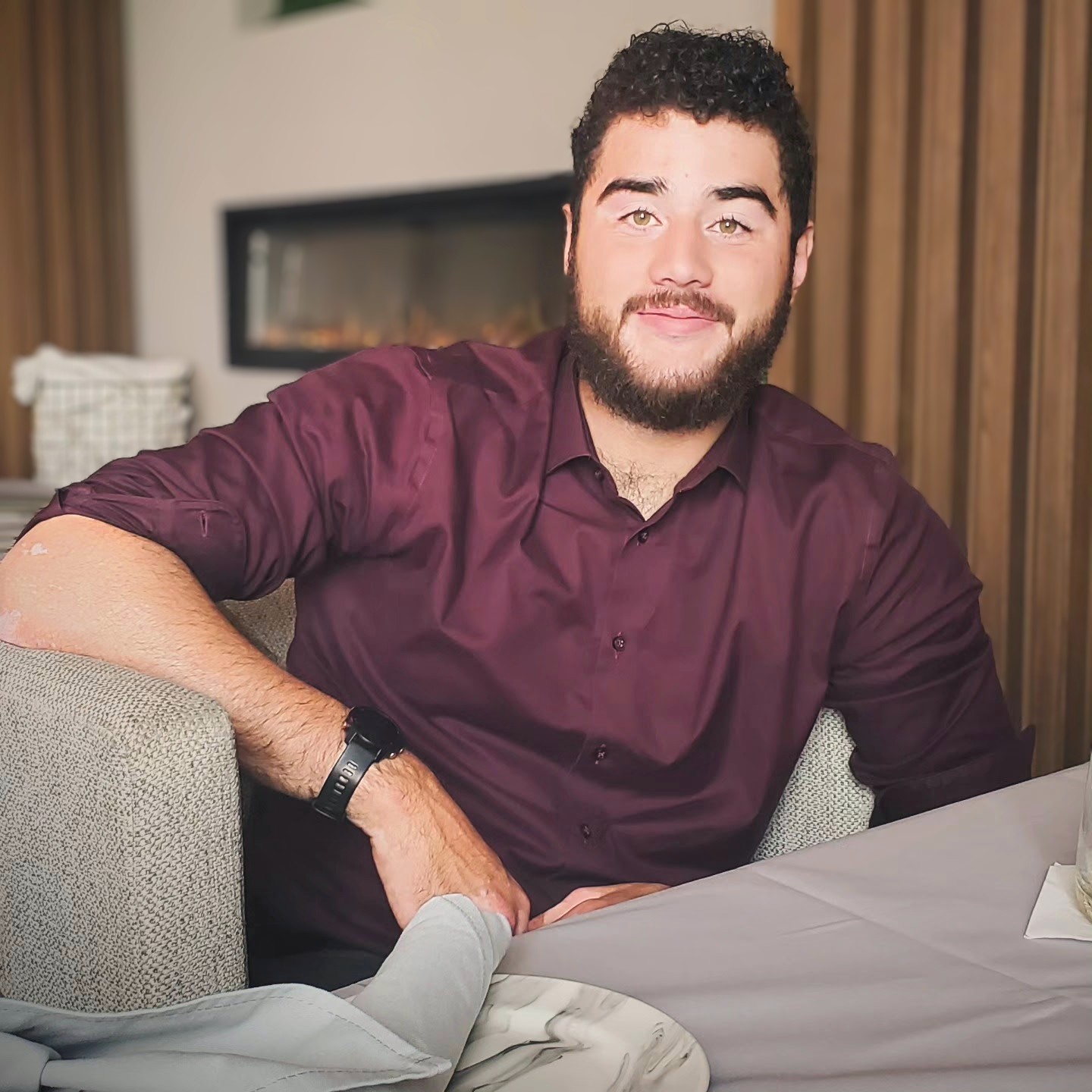 |
Tyler FlotMaster's in Counseling |
||
"Choosing counseling felt like finally finding where I belong. Studying clinical mental health counseling has pushed me to grow in ways I never expected. Through coursework, research, internship support, and mentorship, I've gained confidence, skills, and a deeper understanding of what it means to help others." Tyler went on to add, "There was always a seed of wanting to be a counselor, but MSU helped it grow." |
|
|
Eve OnyinkwaMaster's in Community Health |
|
|
"My advisor didn't just tell me what path to take; she helped me discover it. Dr. Michelle Dewey opened my eyes to the world of built environments and physical activity. Her guidance has allowed me to grow as a researcher, ask deeper questions, and understand how real people's daily lives are shaped by walkability, bike access, and neighborhood design. This work feels meaningful because it reflects real challenges faced by real communities both here in Monana and back home." |
||
Past Success Features:Read a bit about past MSU graduate students and their advice to future students through their personal journeys.
|
||||
|
||||
|
|
||||
Olivia AndrusMaster's in Science & Natural History Filmmaking |
 |
|
Olivia commented on the funding challenges she saw when considering applying to the program, but once she started, the program’s faculty and staff taught students about how to write grants, do crowdfunding, and create their own business. She also got a research assistantship within the department, which provided her with financial stability. “This program supported me as I reached for the stars to create my thesis film. I was able film dolphins in Australia and work with two major environmental non-profits based within the US and Australia during the pandemic. The lessons from this program allowed me to successfully crowdfund my thesis film and write grants that helped me get to Australia. One grant that I applied for and received was the Professional Travel Grant provided by MSU to graduate students who need help financing the costs of travel for different graduate work.” |
|
Stephanann CostelloPhD in Biochemistry |
 |
|
“When I visited the Chemistry and Biochemistry department during the graduate recruiting weekend, I fell in love withit. There was a distinct feeling of support ingrained, and the graduate students seemed genuinely happy. There was a clear picture that the department was doing everything it could to help the students succeed. I also met my current advisor and felt like her mentorship style and her research were an environment I could really thrive in.” For her, it was such authentic care for student success that allowed her to overcome different challenges, like the imposter syndrome that many students experience at some point in their journeys. |
|
Vinicius Alves CruzPh.D. Animal and Range Science |
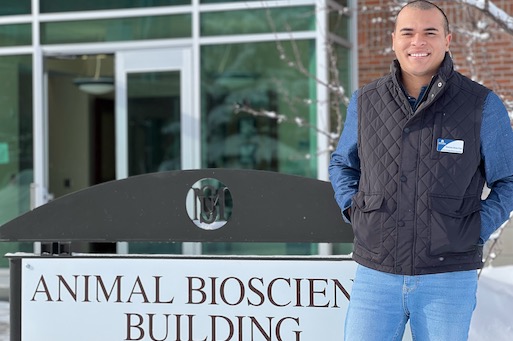 |
| Student success also depends on the methodology faculty and staff use to make students feel welcome and connected with the program. Vinicius Alves mentioned how the experience was for him, “I felt welcome right away. As an international student, you always feel a little frightened about the beginning of the semester, like how you will handle the graduate-level courses in a different country. However, every faculty at the Department of Animal and Range Sciences was very supportive and always willing to help even outside of office hours. It definitely helps to boost your confidence throughout your academic journey.” | |
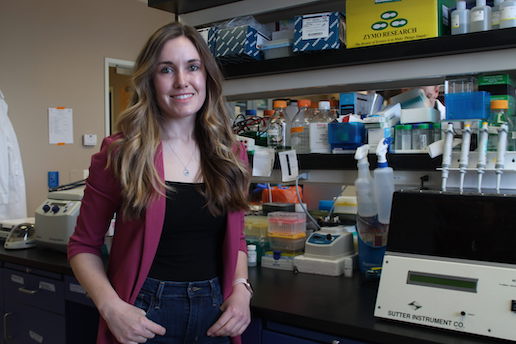
Katrina LyonPh.D. Microbiology & Immunology |
 |
|
Katrina commented on the following, especially for those whose schooling did not come easily: “College was really tough. STEM subjects never came naturally to me, and I had to work very hard to just have a basic understanding,” confessed Katrina Lyon, a Microbiology graduate student who is also a continually active leader on campus. Even though her undergraduate college experience was challenging, to say the least, she remained committed to pursuing a career in STEM, first as a biologist. “The Microbiology & Cell Biology department is incredibly flexible with our programs of study. The department values individuals’ career development over what is written in the handbook. I have been allowed to substitute and/or add classes such as BioMEMS: The Art of Tissue Chips and Research & Methods in Engineering to support my multidisciplinary work.” |
|
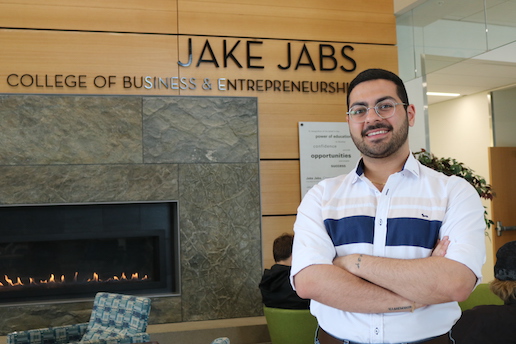
Francesco BakhosMaster of Science in Innovation and Management |
 |
|
As a Fulbright Scholar from Lebanon, Francesco felt he was living one of his best journeys at MSU. “As soon as I stepped into my master's in innovation and management program, I knew I was in for an adventure. I was looking forward to making connections and building friendships, but what I didn't expect was how close I would become with my cohort.” Bakhos commented on his activities outside the classroom, noting that he worked as a Graduate Assistant in the Office of International Programs and volunteers for some of the Diversity and Inclusion Student Commons’ endeavors. “Through these activities, I've discovered a true passion for building international relationships and promoting a sense of diversity and inclusion. It's incredibly fulfilling to know that my efforts are making a positive impact on my community,” he remarked. |
|
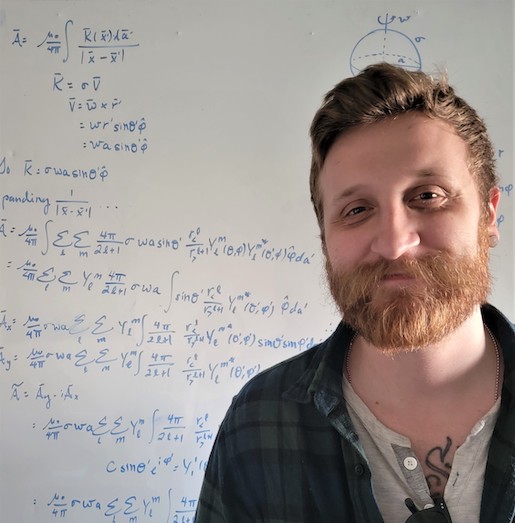
Dillon AndersonPh.D. Physics |
 |
|
Regarding some of his best suggestions for incoming graduate students, Dillon highlighted the community-building element, which was crucial for him and his fellow students. Furthermore, he affirmed that it is better to reach out to peers early so that they start strong and have more time to develop relationships. “Something that I didn’t expect was how quickly the other first-year students and I built a relationship and became comfortable around each other”. “It is not a guarantee when entering a program that the department as a whole has much of a community, or that others are looking for a sense of community as well (ask many graduate students in many other stem fields, i.e., computer science/mathematics). Having others to work through problems with, bounce ideas off, and just relax with is a necessity,” he finalized. |
|
Ernesto OrtizPh.D. Computer Science |
 |
|
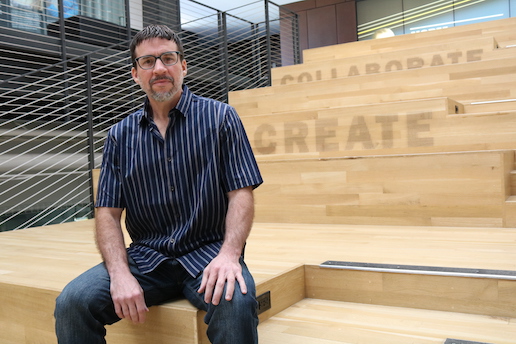
For Ernesto, one of the most important things that positively influences graduate students’ success on their programs is to come with a solid foundation of knowledge in the field of study, but also with robust studying habits. “Probably the most important skill you can bring is knowing how to collaborate with others. Most graduate students here are skilled collaborators, which makes the work easier for everybody and greatly increases the chances of success.” A piece of advice he offered to new graduate students interested in doing research was, “Identify researchers whose work you like. Try to learn as much as possible from everything those researchers have published. Once you develop independent ideas about the work of a particular researcher, you will also be in a position where you could try to contact those researchers and get their input and suggestions on possible new approaches to problems and ideas in the field. By learning more, you could open collaboration opportunities, and in general create avenues that regularly bring in feedback and new information.” |
|
Paytyn WilsonAdult & Higher Education, master’s program |
 |
|
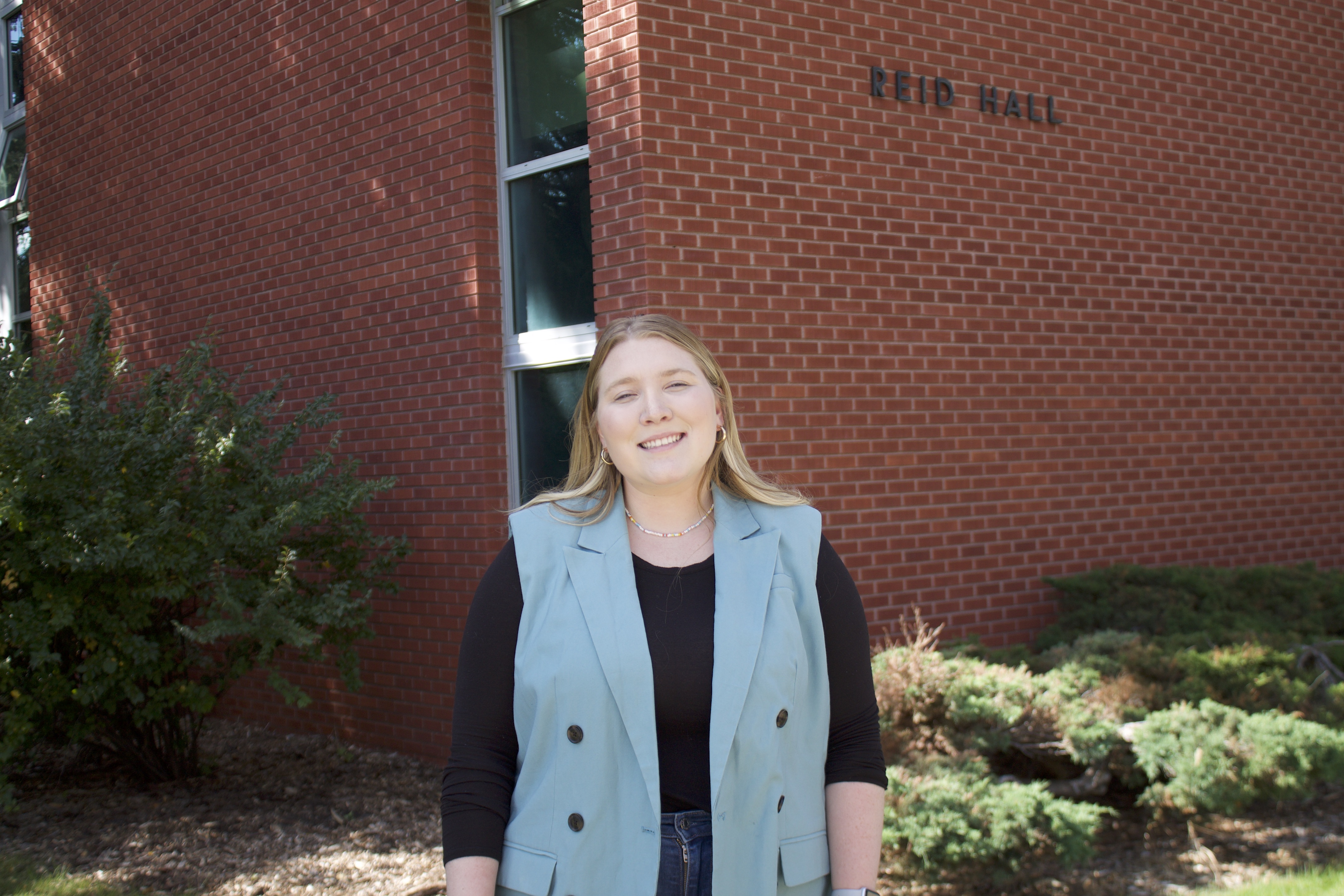
“I was so lucky to have excellent mentors, friends, and resources who helped me at least walk down a path. I still feel like it’s a moving target, but MSU has so many resources available to students, and I have had so many experiences that have connected me to my values and helped me better understand the type of professional I want to be.” Regarding the ways in which MSU makes her feel welcome and appreciated, Paytyn mentioned that the Graduate School “does an excellent job at communication and event planning to meet student needs. Leading up to the school year, I felt like the events and opportunities to engage were communicated in a very clear way, for the first time preparing for school I didn’t feel overwhelmed! Even though I have been at MSU for a long time, I am still being introduced to new scholarships or resources to support me.” Her final recommendation for new graduate students is to go talk to people and ask questions. “I am going to let you in on a little secret - every single person you will meet has been there, no one has it all figured out! Talk to students in the program, advisors, people doing research or teaching classes, just get their perspectives and use them to inform your decisions.” |
|
Madisan ChavezMaster's in Land Resource and Environmental Science |
 |
|
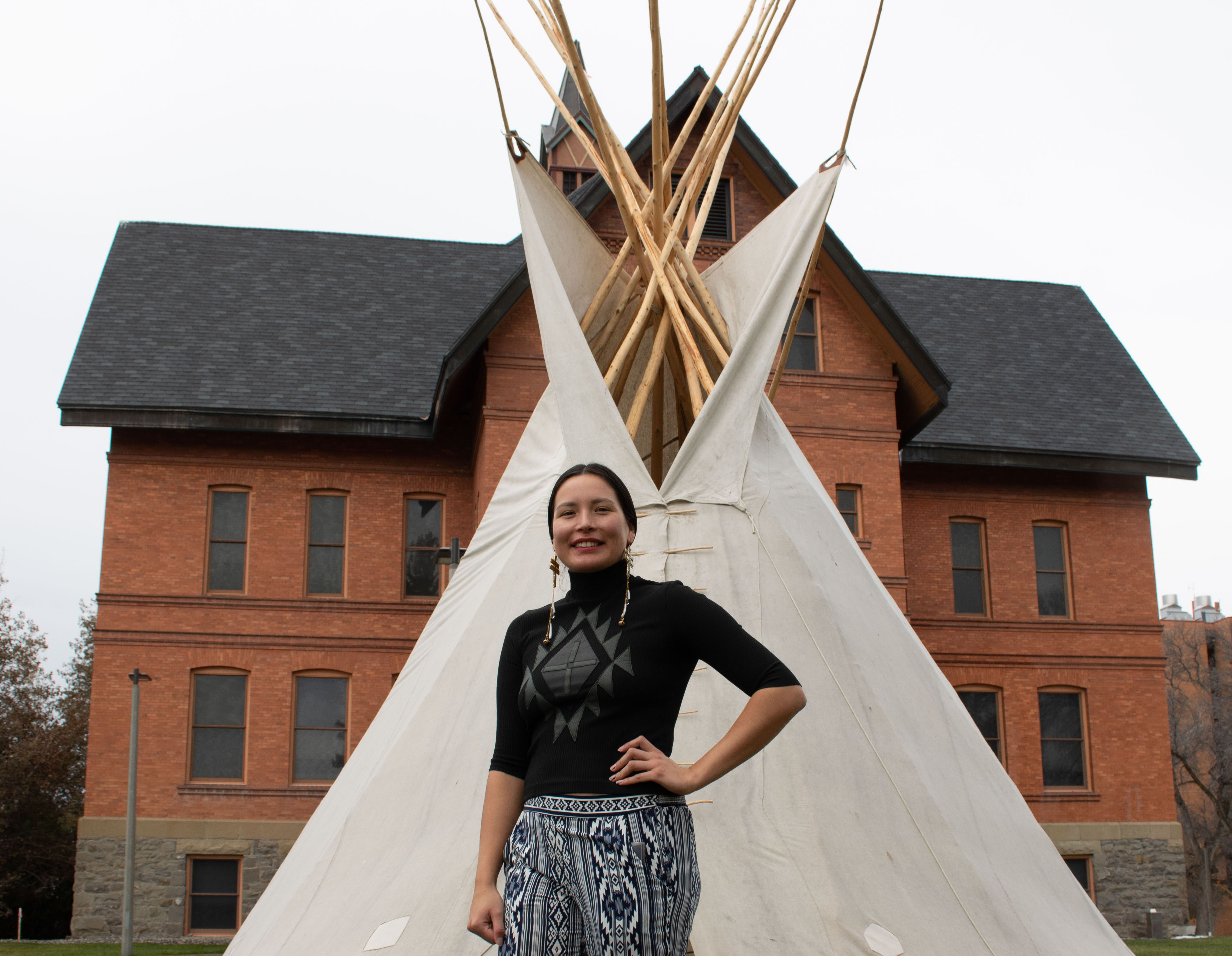
For some students, graduate school can be seen just as an extension of their undergraduate experience. For Madisan Chavez, a member of the Crow tribe and a Northern Cheyenne, Oglala Lakota Sioux, and Mexican, this wasn’t expected, but it turned out to be true. “Something I did not expect to learn in my graduate program is the similarity between undergraduate school and how many connections you can make.” Madisan also mentions the importance of having a support network during every graduate student journey, “It is possible to get your master’s if you have the right people in your corner.” Also, as part of her background, she emphasized the role it plays in her academic success. “My background contributes to my graduate program’s success because of my ancestors and the things they went through. They were stripped of their culture and identity; with my education, I feel like I am making them proud.” |
|
Chidimma IfehPh.D. Individual Interdisciplinary (Sustainable Food Systems, Statistics, and Computer Science) |
 |
|
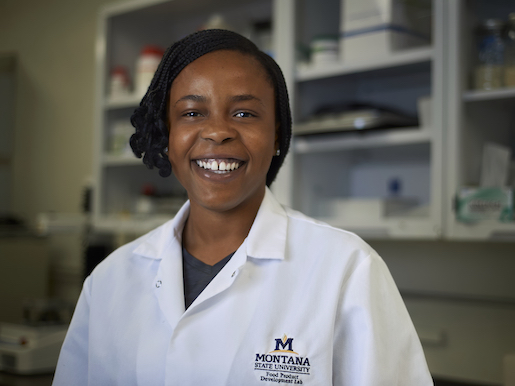
Chidimma shared her insights about different resources on campus, including the Food Product Development Lab and the African Students Association. Besides, she has participated in programs organized by the College of Education, Health and Human Development, the Office of International Programs, the Office of Research and Development, and the Graduate School. “The health care sector, the MSU Pollution Program, the grant writing boot camp, and the graduate student body. They all collectively contribute to the rich and dynamic academic environment at the institution.” Her more important recommendation for potential MSU grad students is to ensure meaningful discussions with your advisors about your strengths and weaknesses, and she suggested to "allow yourself to learn from the mentorship you will receive from your advisor and professors. Find a support system through a club or organization, join, and make good friends who will always be there to help you in challenging situations.” |
|
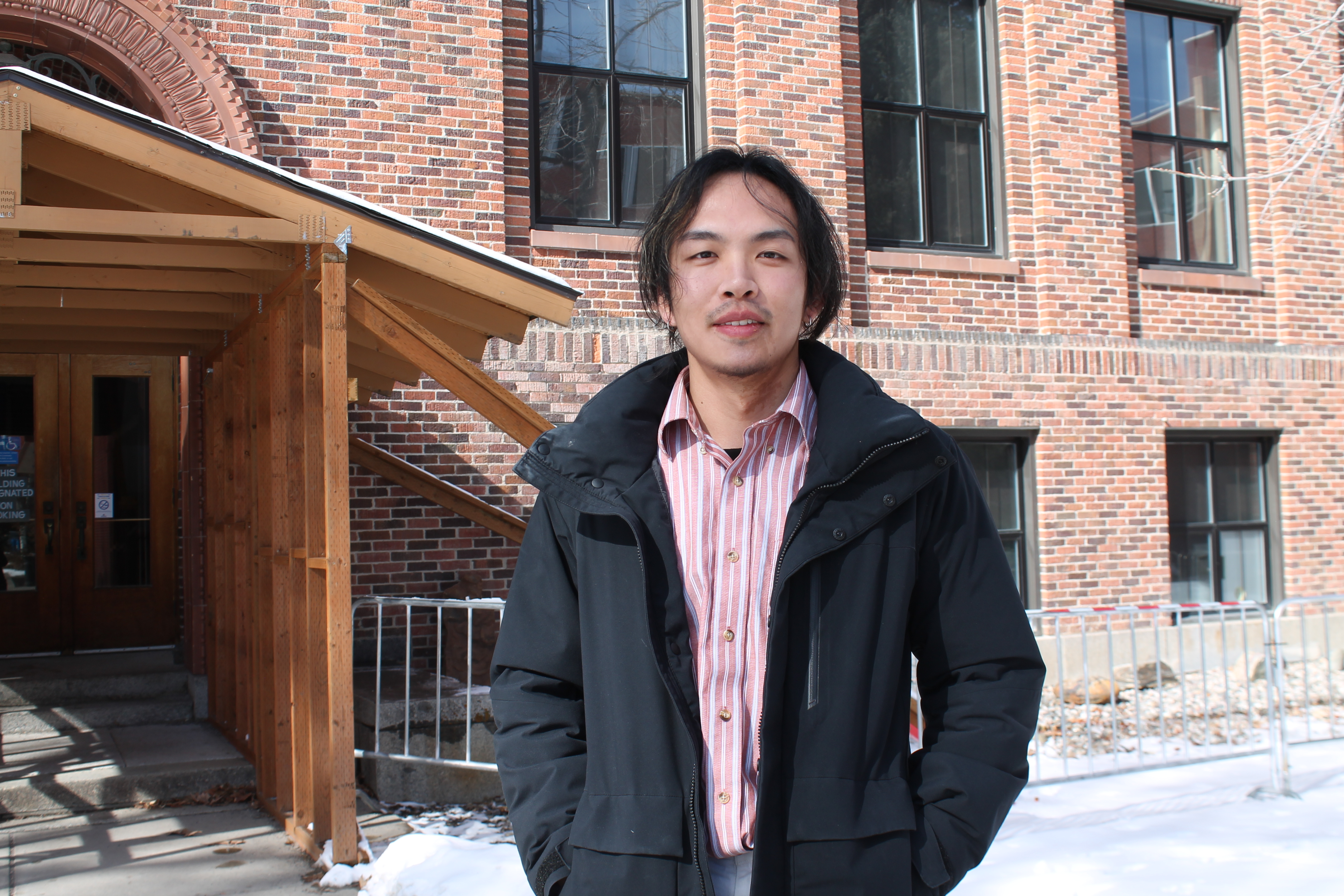
Eqi LuoPh.D. Earth Sciences |
 |
|
Although Eqi found it crucial to achieve a good work-life balance, he has learned ways to keep a stable state of mind and well-being. “Heading into my PhD, I was all geared up for diving deep into Earth Science, thinking the main challenge would be keeping up with my research. But soon I realized that the time and demands of a PhD. The program also requires you to develop strong personal management skills, as well as a supportive community around you.” “My department’s collaborative work has built a supportive community, while the global viewpoints of my professors have expanded my understanding of environmental challenges. Additionally, the focus on open science has emphasized transparency and accessibility in research, enriching my learning experience and fostering a deeper engagement with my field.” |
|
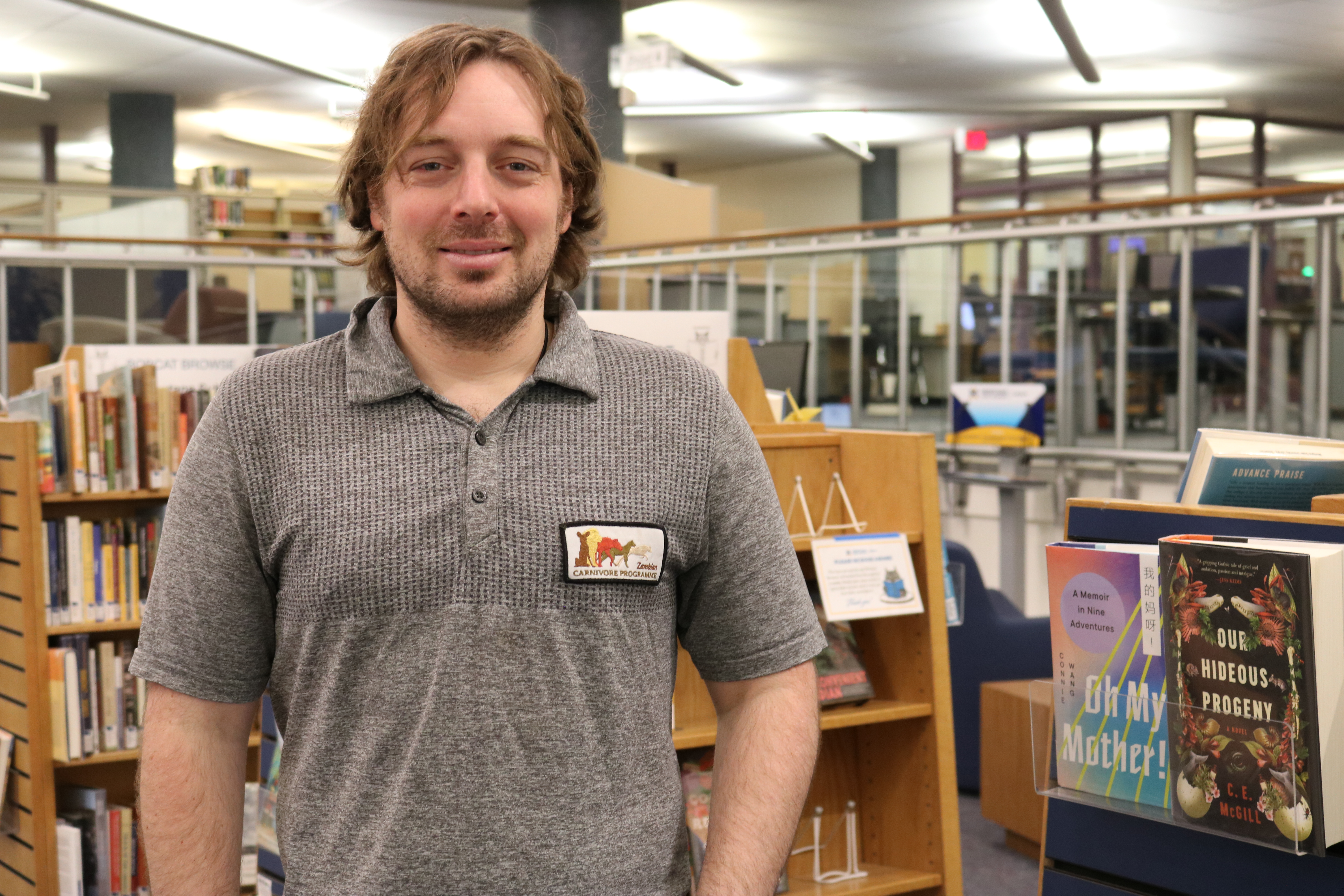
Johnathan Reyes de MerklePh.D. Ecology and Environmental Sciences |
 |
|
His advice for prospective students is to get to know not only your future advisor, but the lab you will join (or group/workplace in case you are not doing research). “The relationship between your advisor and yourself as a graduate student is a very important one and very long-term.” Johnathan also emphasized the community-building element by stating that “Even as a graduate student, there are a lot of student organizations you could join as only a member, or officer, or advisor.” He added, “Finding community for support to counterbalance [your schoolwork] because it will make the experience more enjoyable.” |
|
Erica VenkatesuluPh.D. Electrical and Computer Engineering |
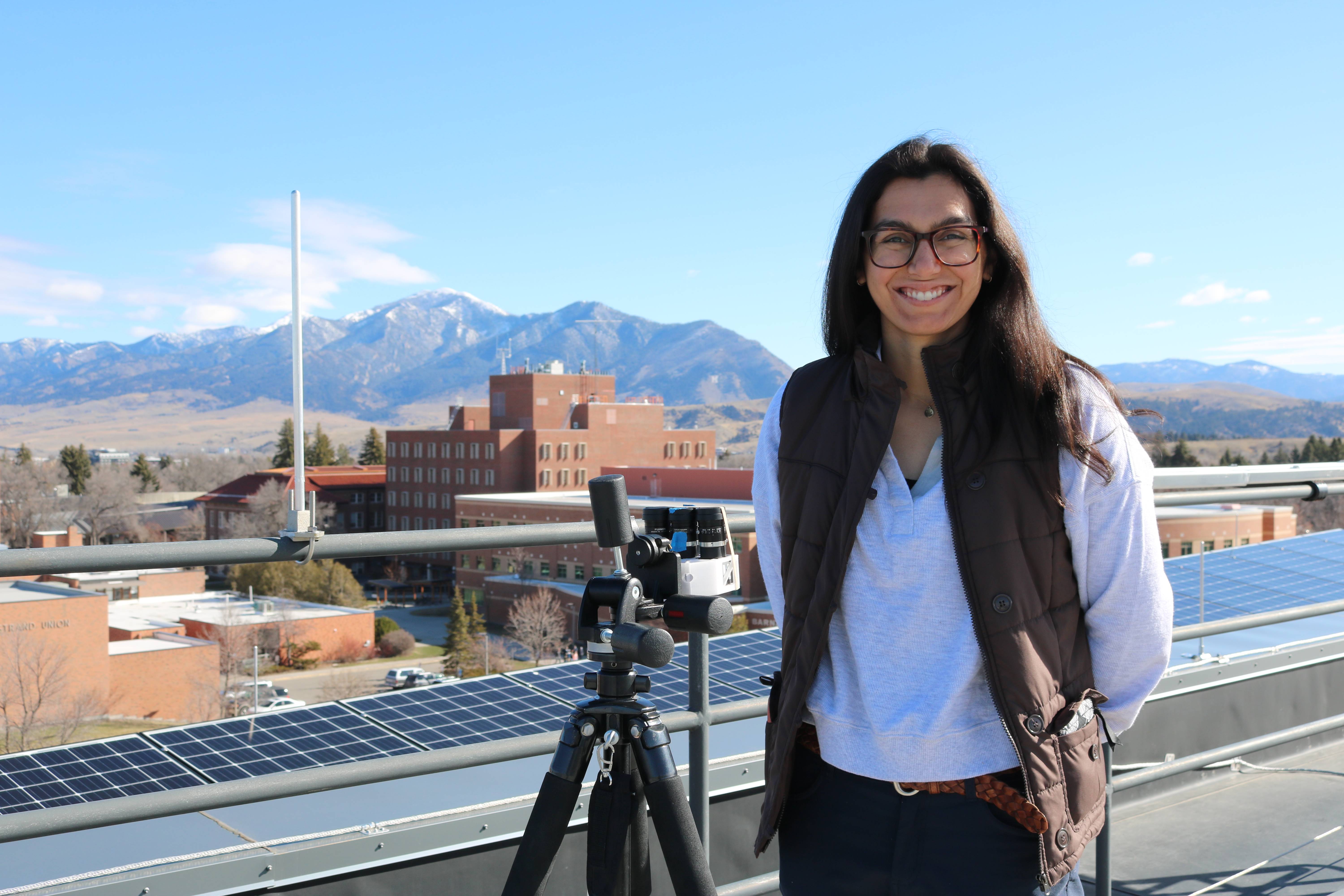 |
| “In my research, my advisor supports my research progress and learning through one-on-one meetings, encouraging collaboration between members of the research group, and sometimes giving me the space to try what I think is best, even if it means I fail a few times before I figure it out.” | |
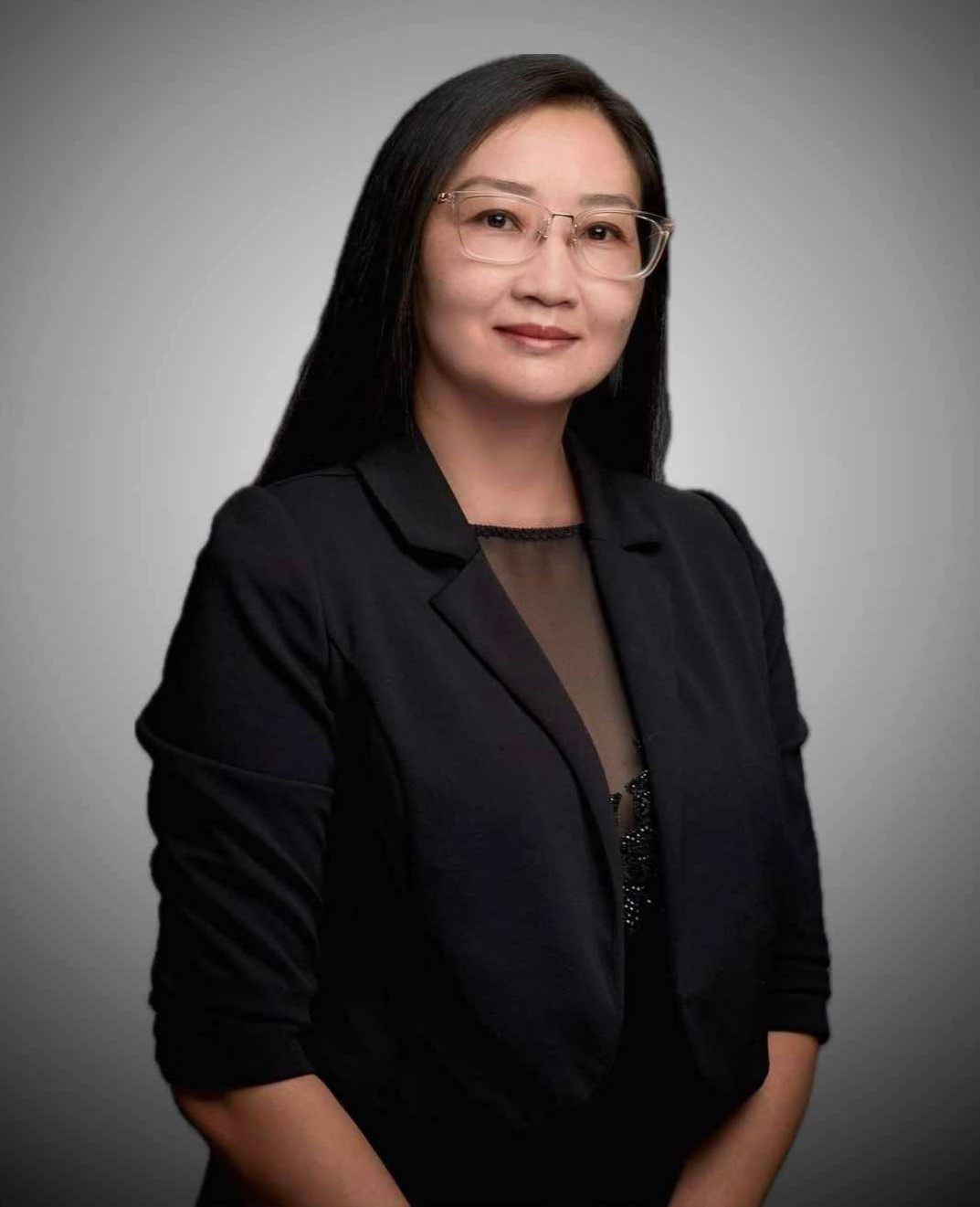
Enkhchimeg SharavPh.D. Curriculum and Instruction |
 |
|
“One of the achievements during my graduate program here at MSU is establishing my nonprofit organization, the International Education Networking Initiative (IENI). The organization aims to benefit students and educators from diverse backgrounds, enhancing their personal and professional development.” Enkhchimeg expressed a sense of community on campus. “The various programs, services, and opportunities available throughout the campus contribute to this environment, making MSU a place where I feel valued and connected.” She went on to say the following,“MSU professors make me feel more connected to my program through their mentorship and active involvement in student development. They don’t just teach; they nurture relationships and support students in achieving their goals. By involving students in meaningful work and encouraging them to pursue their passions and research, they create an environment where I feel motivated to succeed and engage in my academic pursuits and professional goals.” |
|
Jasmine SmithMaster's in Curriculum and Instruction |
 |
|
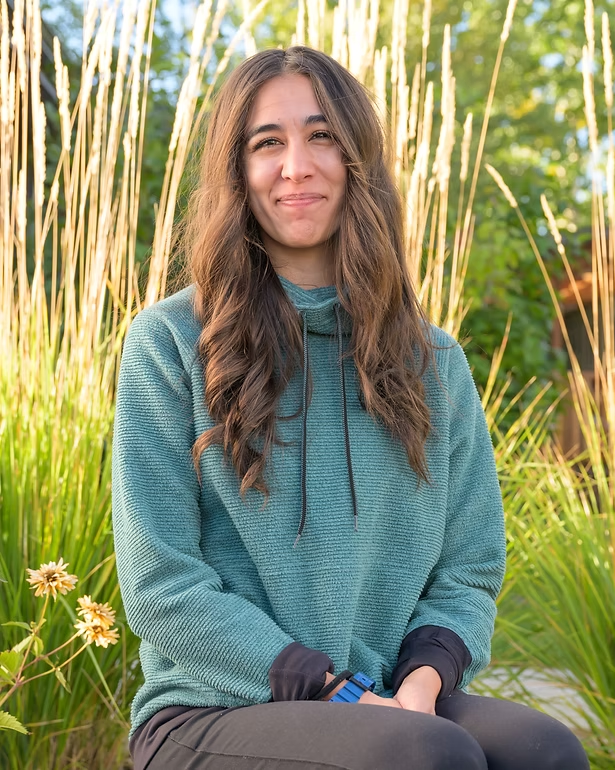
“My background as a former teacher has been a huge asset throughout this journey. Having spent years in the classroom, I often find myself connecting my past experiences to the concepts we discuss. I like seeing the theories come to life, and it’s made the coursework feel more relevant and impactful.” Her advice for new graduate students is to “take full advantage of everything MSU has to offer. Don’t hesitate to reach out for help or participate in programs that interest you. Grad school is a busy time, but the connections and skills you build here are worth the effort.” |
|
Jackson StrandPh.D. Ecology & Environmental Science |
 |
|
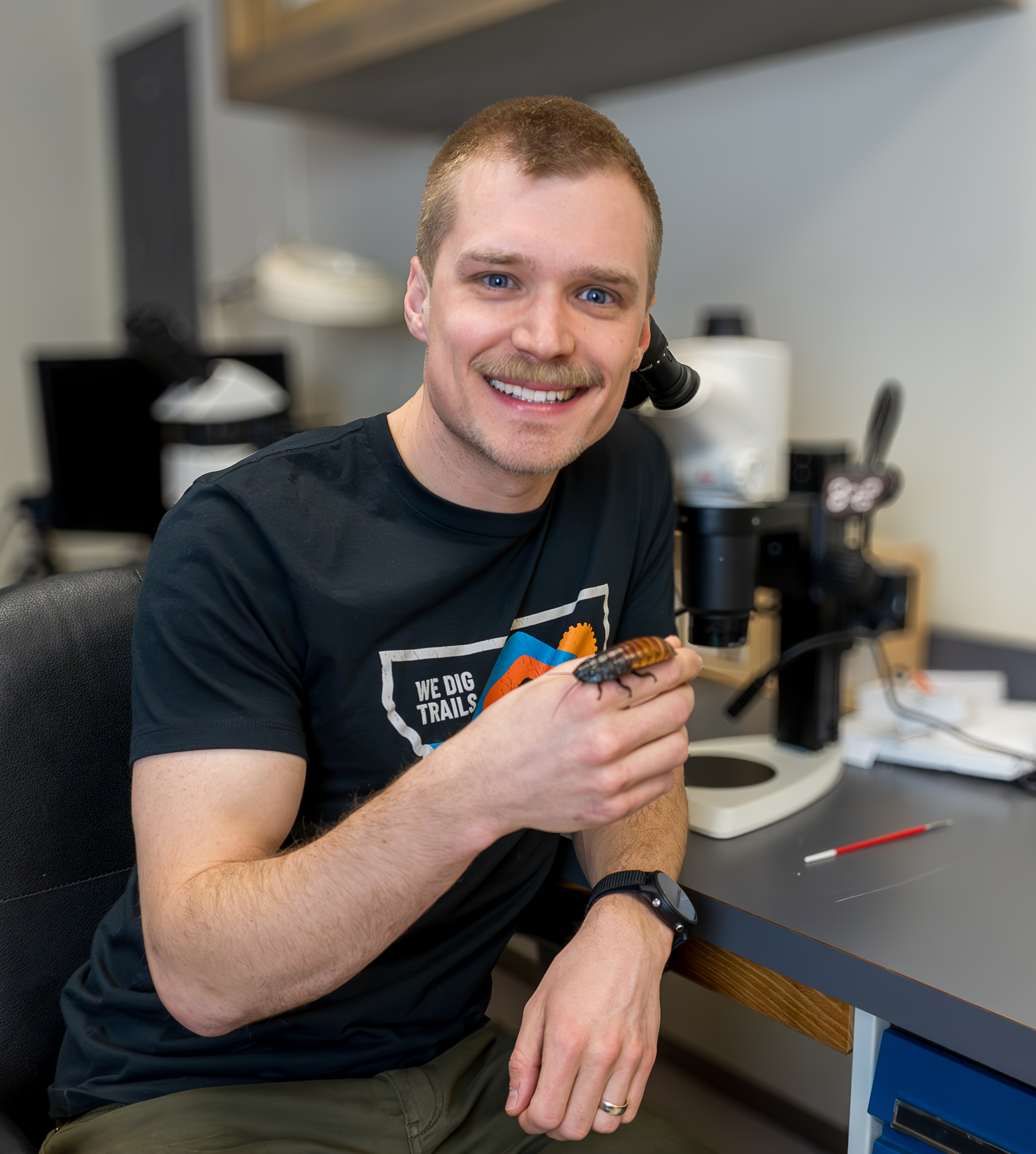
Jackson had many ideas to pass on to future bobcats, from his feelings on his advisors: “Rather than providing solutions outright, my advisor encouraged me to think through challenges on my own, giving me the space to explore different approaches and learn through trial and error. This approach not only allowed me to develop problem-solving skills but also helped me build resilience by viewing failure as an essential and beneficial part of the scientific process.” And continued onto connecting on campus: “Building a strong social network has countless benefits, from brainstorming research ideas and receiving advice to forming lasting friendships. Engaging with faculty and peers outside of your immediate lab or committee helps you develop a broader perspective and appreciate the innovative work happening across the department and university. It’s easy to get narrowly focused on your own research, but stepping back to connect with the larger academic community can provide a valuable perspective and purpose.” |
|
Celeste KenworthyMaster's in Science Education |
 |
|
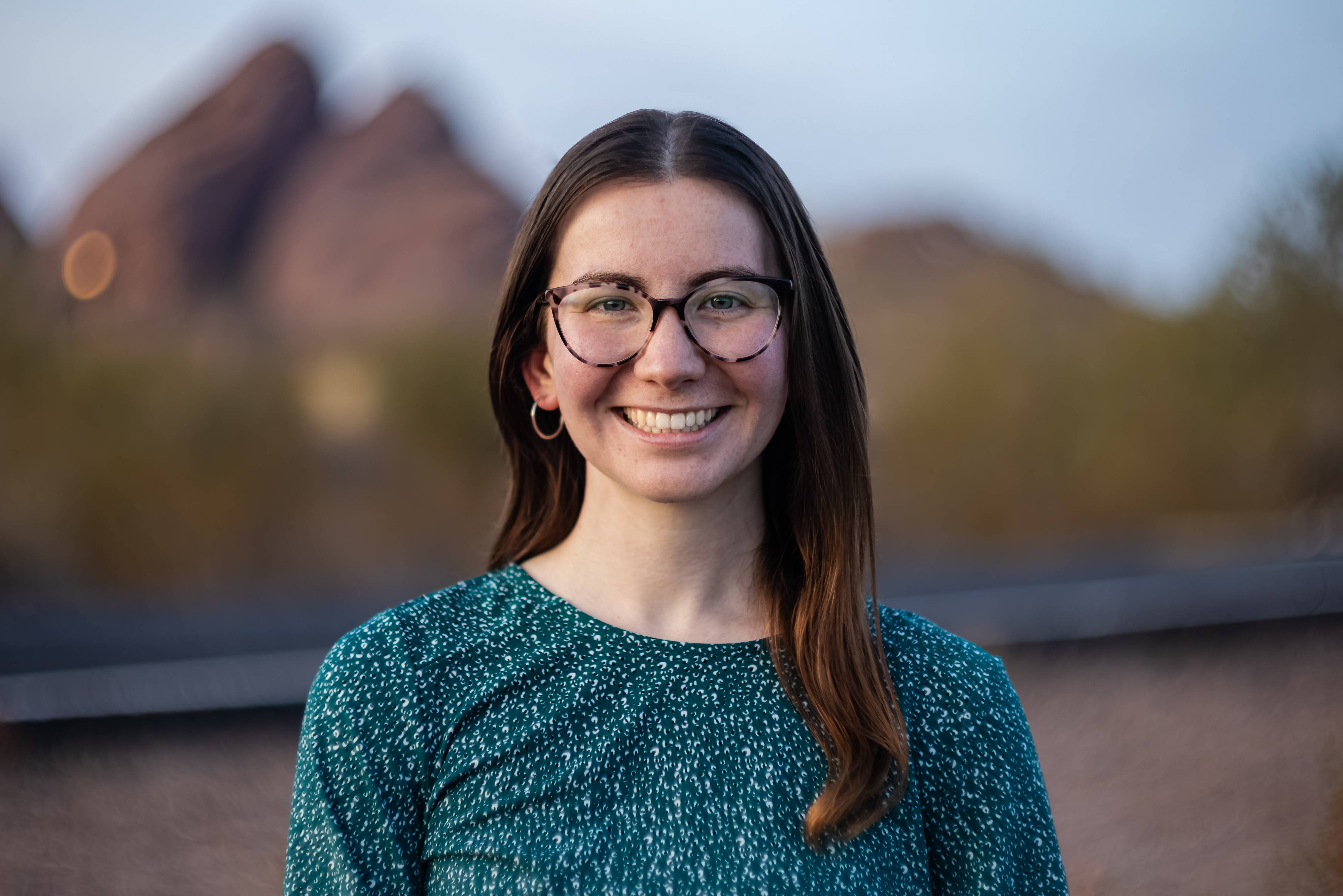
According to Celeste, the MSSE program has exceeded her expectations, and the support her professors have provided in fostering connections has boosted her success. “They have accomplished this by providing discussion boards and group-building activities during in-person courses. The professors in the MSSE program have also made assignments customizable to the students’ own locations and teaching situations.” The MSSE required action research project also leads students to address key issues in their practice areas. Celeste stated, “I expected to learn a lot about science and education through MSSE, but I was surprised by the amount of unique and engaging opportunities available. One of the best features of the MSSE is the in-person field courses, in my opinion. For the past two summers, I have come up to Bozeman to take Dinosaur Paleontology I and II.” |
|