


MSU Horticulture Farm
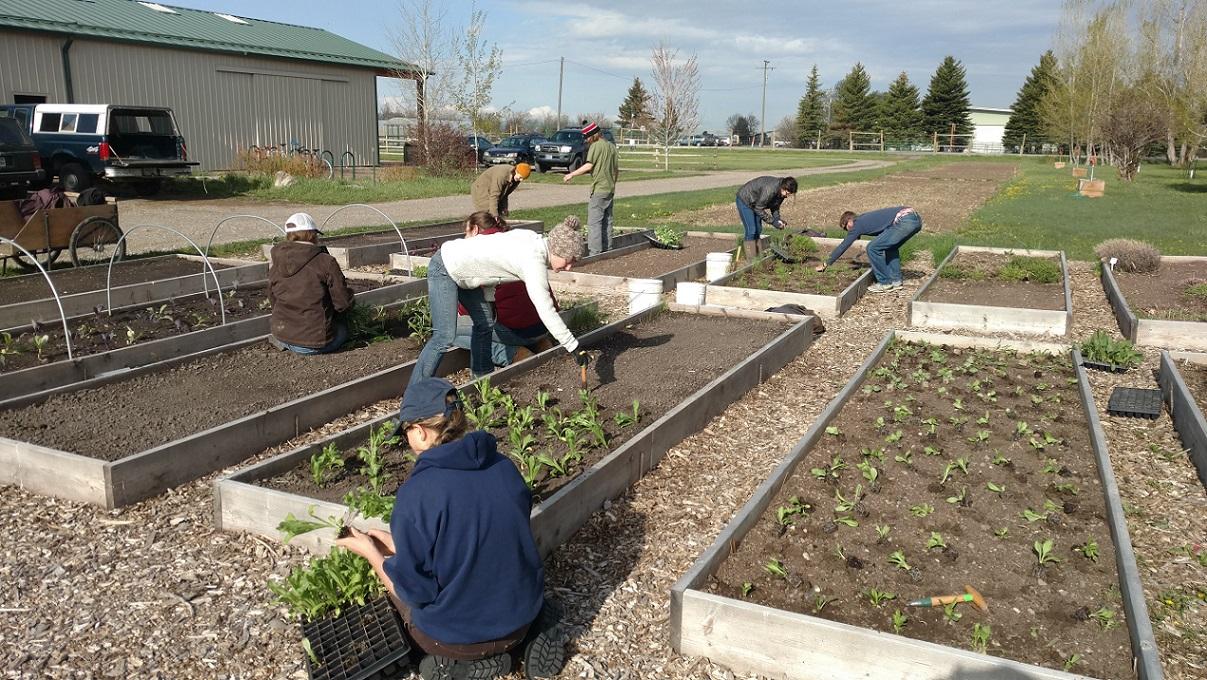

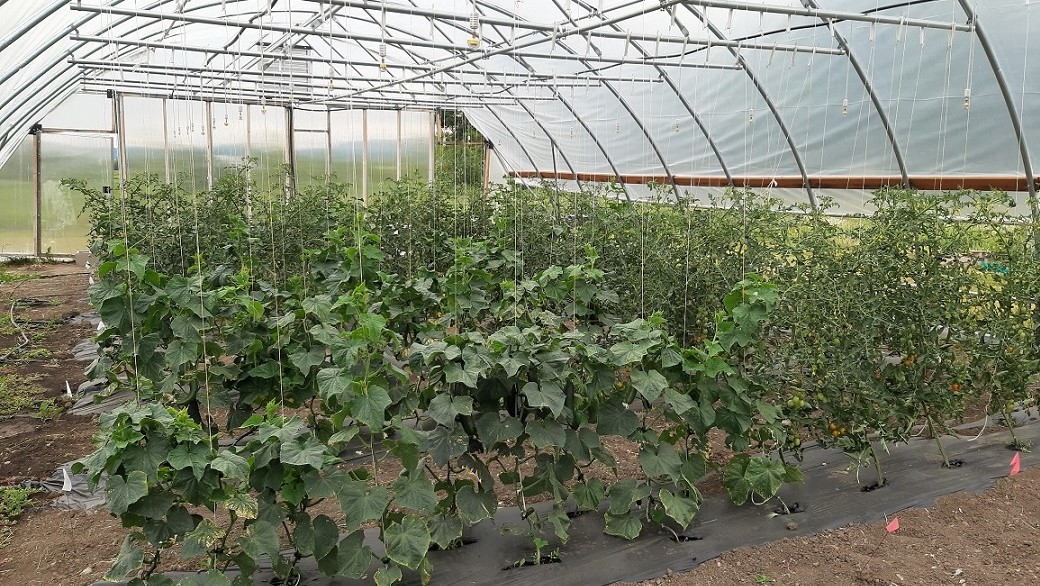
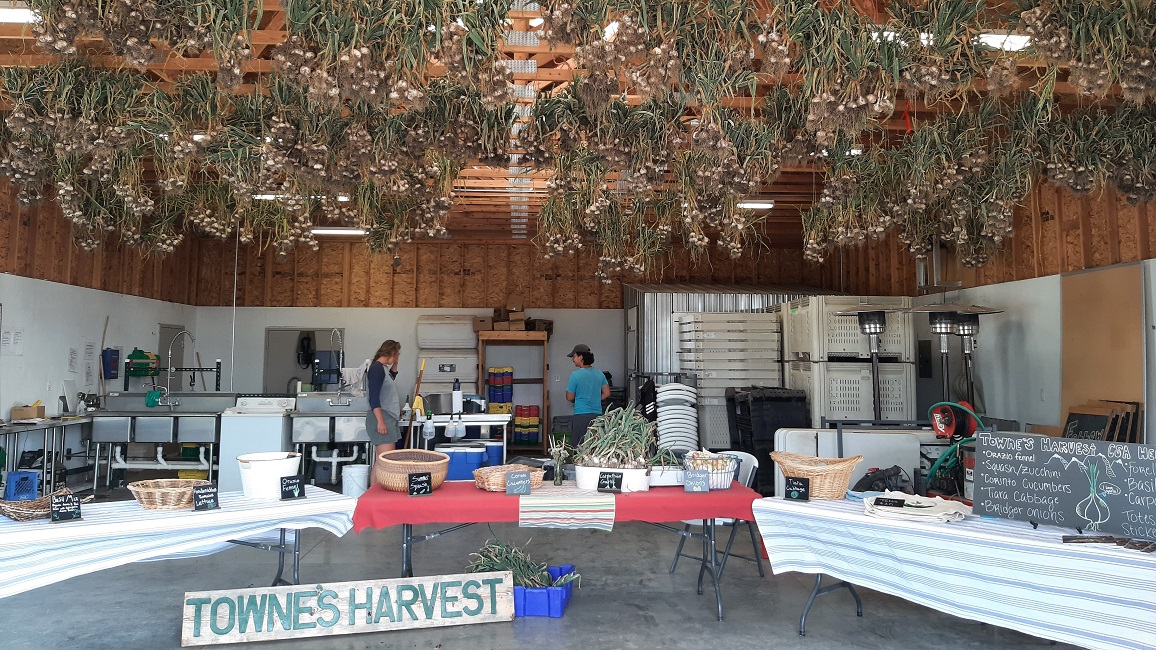
The MSU Horticulture Farm, located at the BART Farm west of the MSU-Bozeman campus, is made up of 8 acres of diversified vegetable production and a wide variety of research projects. In addition to field plots, the Horticulture Farm includes ten high tunnels for protected cultivation of vegetable crops. Over the summer the farm hosts multiple MSU courses including Crop Identification, Soils, and Culinary Marketing. The Horticulture Farm is also the home of the Towne's Harvest Garden, a practicum course where students learn the basics of food production for market and run an organic Community-Supported Agriculture program and an on-campus farm stand. All of these courses give MSU students hands-on experience with small-acreage food production and marketing.
Highlighted Projects
Season Extension Research Program (SERP)
Small Dark Fruit Variety Trials
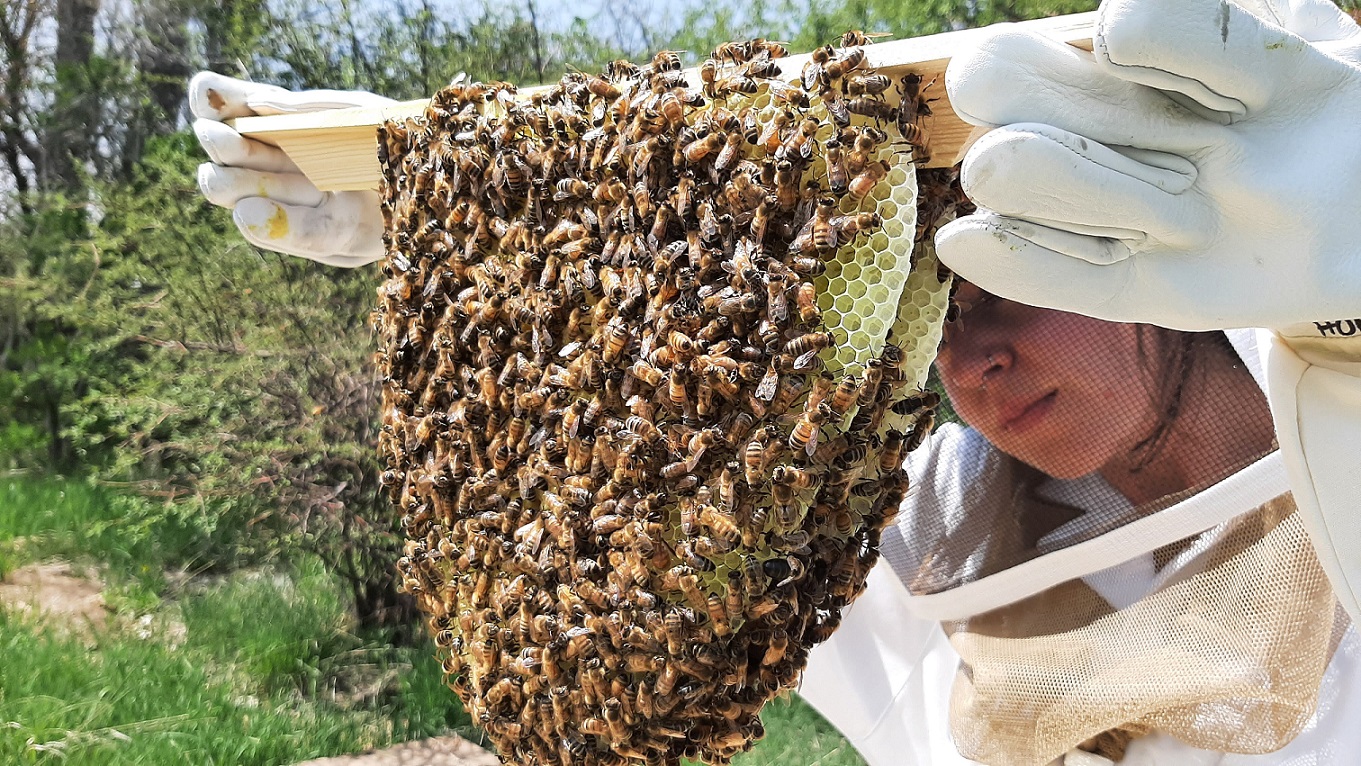
Honey Bee Research Site and Pollinator Garden
Buffalo Nations Food System Initiative and Montana Indigenous Food Sovereignty Initiative
Native Perennial Flower Strips
Resources for Farm Users
Horticulture Farm Policy Manual
Farm Space Request: Request research space at the Farm.
For general inquiries, please contact the Farm Manager at hortfarm@montana.edu
Farm Personnel
Allison Rognlie, Horticulture Farm Manager
allison.rognlie@montana.edu
Associated Research Faculty
Macdonald Burgess, PhD: Associate Professor of Horticulture and Small Acreage Agronomy
Michelle Flenniken, PhD: Professor of Virology, Genetics, and Honey Bee Pathogens
Claire Luby, PhD: Assistant Professor of Horticulture, Plant Breeding, and Seed and Food Systems
Jill Ramaker, PhD: Assistant Professor of Indigenous Food Systems and Land Practices
Qing Yan, PhD: Associate Professor of Bacteriology and Beneficial Plant-Microbe Interactions
Land Acknowledgement
The MSU Horticulture Farm recognizes that our work in the Valley of Flowers takes place on ancestral lands shared by many peoples, including the Apsaálooke, Tsétsêhéstâhese, Séliš-Qĺispé & Ksanka, Amskapi Piikani, Lakhóta, Nimíipuu, Newe, Anishinaabe, Nēhiyaw, and Métis peoples, and all the unnamed ancestors who cared for this land in the past. Indigenous peoples stewarded this valley for thousands of years before colonization and broken treaties, and we strive to honor and respect these peoples, past and present and future. We are committed to welcoming Native students and researchers and supporting interdisciplinary education. And we will always work to build a culture of respect, inclusiveness, and reciprocity on this land that feeds and nourishes us all.